

Finding the right meditation technique can feel overwhelming, especially when you’re managing anxiety, depression, or trauma. You might wonder which practice will actually help your symptoms, whether meditation is safe during treatment, or if you’re even doing it “right.” These concerns are valid—meditation is a powerful tool, but it works best when it complements professional therapy rather than replacing it. Different meditation techniques address specific mental health symptoms in unique ways, and understanding these distinctions helps you choose practices that align with your recovery goals.
This guide connects meditation practices to clinical treatment approaches used by licensed therapists across Missouri. Whether you’re in residential treatment, participating in Intensive Outpatient programming, or working with a therapist in St. Louis, St. Charles, or anywhere statewide, learning how these approaches support your mental health treatment can strengthen the skills you’re building in therapy and provide valuable tools for managing symptoms between sessions.
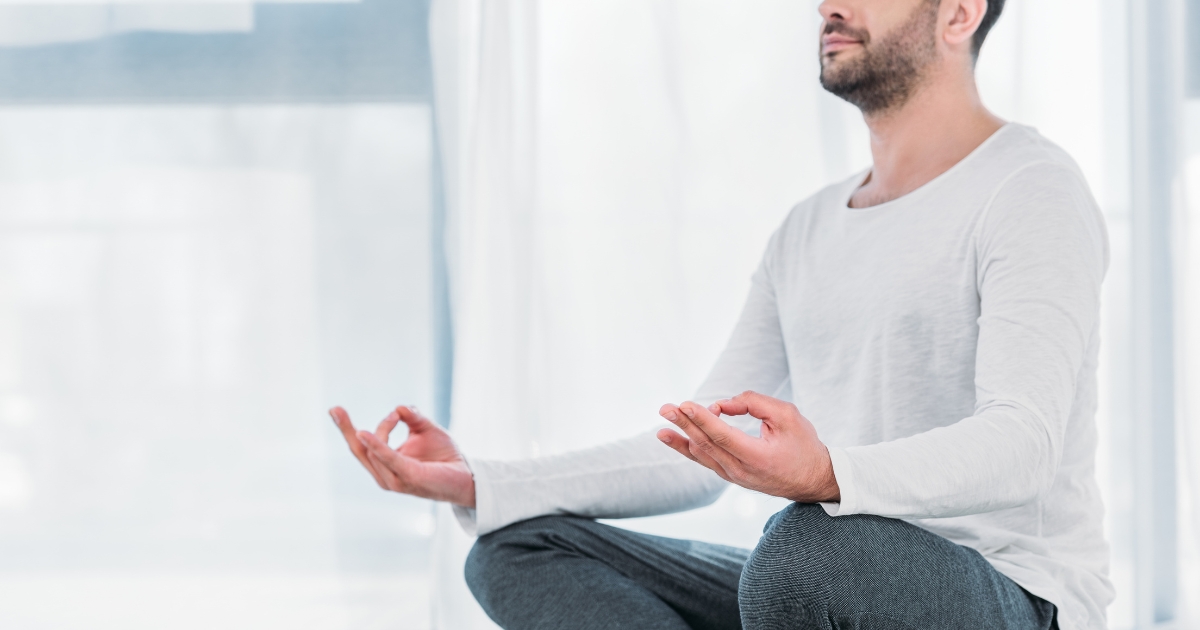
How Meditation Supports Anxiety and Depression Treatment
Neuroscience research shows that regular meditation practice creates measurable changes in brain regions associated with emotional regulation, reducing activity in the amygdala—the brain’s fear and stress center—while increasing activity in the prefrontal cortex, which governs rational thinking and impulse control. For people living with anxiety or depression, these neurological shifts translate to better symptom management and improved quality of life.
Meditation for anxiety and depression enhances therapy outcomes by building emotional regulation skills you can practice between clinical sessions. When your therapist teaches you cognitive restructuring techniques in Cognitive Behavioral Therapy, meditation reinforces your ability to observe thoughts without automatically believing them. When you’re learning distress tolerance skills in Dialectical Behavior Therapy, meditation provides a practical way to strengthen your capacity to sit with uncomfortable emotions rather than avoiding them.
Meditation Practices Used in Therapy Settings
Therapists recommend different meditation techniques based on your diagnosis, treatment goals, and current symptoms. Understanding which techniques align with your needs helps you build a practice that genuinely supports your recovery rather than adding to your stress.
- Mindfulness meditation: Forms the foundation of DBT and builds present-moment awareness without judgment, helping you notice thoughts and feelings as temporary experiences rather than absolute truths
- Body scan meditation: Helps identify where stress manifests physically in your body, particularly useful for somatic trauma work and learning to recognize early warning signs of anxiety or panic
- Loving-kindness meditation (Metta): Addresses self-criticism and shame common in depression by systematically cultivating compassion toward yourself and others
- Breath awareness meditation: The simplest technique for beginners, activates your parasympathetic nervous system to create an immediate calming effect during moments of heightened anxiety
- Guided visualization: Used in exposure therapy for PTSD and phobia treatment, allowing you to process difficult memories or situations in a controlled, therapeutic context
- Mantra meditation: Provides a mental anchor for racing thoughts in anxiety disorders, giving your mind a focal point when intrusive thoughts become overwhelming
Exploring different meditation techniques with your therapist’s guidance ensures you’re building skills that support rather than complicate your treatment. These practices build skills that transfer beyond your meditation cushion into daily life and crisis moments. This is why starting with therapist-approved techniques during active treatment ensures your meditation practice reinforces rather than contradicts your clinical work.
For quick reference, here are suggested starting durations for the beginner-friendly techniques above:
| Technique | Suggested Starting Duration |
|---|---|
| Breath Awareness | 3–5 minutes |
| Loving-Kindness | 5–10 minutes |
| Body Scan | 10–15 minutes |
| Guided Visualization | 15–20 minutes |
How to Start Meditating for Mental Health During Active Treatment
How to start meditating for mental health begins with realistic expectations. Many beginners believe they should immediately achieve a calm, thought-free state, but this misconception causes unnecessary frustration. Your mind will wander—that’s completely normal. The practice isn’t about stopping thoughts; it’s about noticing when your attention has drifted and gently bringing it back. Starting with just 3–5 minutes allows you to build the habit without feeling overwhelmed.
Meditation practices used in therapy require different levels of caution depending on your diagnosis and where you are in treatment. Body scanning with acute trauma may trigger dissociation or flashbacks before you’ve developed adequate grounding skills. Intensive concentration practices may increase anxiety for some people or potentially trigger symptoms in individuals with psychosis risk. Mindfulness techniques for trauma recovery work best when introduced gradually by a trauma-informed therapist who can help you establish a “window of tolerance” before exploring body-based awareness.
If meditation increases your anxiety or triggers dissociation, this is important information to share with your therapist rather than something to push through alone. You might need to try shorter sessions, switch to guided meditation for emotional regulation with external focus, or explore movement-based practices like walking meditation. Some people benefit from keeping their eyes open during practice, while others need more structure and guidance. There’s no single “right” way—the right approach is the one that supports your nervous system regulation without overwhelming your capacity.
Always discuss your meditation plans with your therapist to ensure the techniques align with your treatment goals and current stability. Your clinician can help you choose practices that complement the therapeutic work you’re doing and adjust recommendations as your needs change throughout recovery. This collaborative approach ensures meditation serves as a helpful tool rather than an additional source of stress.
If you’re experiencing a mental health crisis, thoughts of self-harm, or overwhelming distress, call or text 988 to reach the Suicide & Crisis Lifeline, available 24/7. Meditation is a valuable complement to treatment, but acute crises require immediate professional support.
| When to Avoid Certain Techniques | Recommended Alternative |
|---|---|
| Body scanning with acute, unprocessed trauma | External focus meditation (sounds, objects) or grounding exercises |
| Intense concentration practices with psychosis risk | Gentle mindfulness with therapist guidance only |
| Silent meditation triggering dissociation | Guided meditation with external voice and structure |
| Stillness-based practice increasing anxiety | Walking meditation or mindful movement |
Understanding meditation contraindications in mental health helps you practice safely during treatment. While meditation offers significant benefits for many people, certain practices may be inappropriate or even harmful in specific situations. Your therapist can help you recognize the difference between productive discomfort (sitting with difficult emotions as part of healing) and harmful activation (techniques that overwhelm your current capacity for regulation).
Building Your Mental Health Recovery with Evidence-Based Care at St. Louis Mental Health
Exploring new coping tools like meditation while managing mental health challenges takes courage, and effective treatment addresses the whole person, not just symptoms. The journey toward recovery isn’t about finding a single perfect approach—it’s about building a personalized toolkit of skills that support you through various moments and challenges. St. Louis Mental Health integrates evidence-based practices with holistic wellness approaches, recognizing that comprehensive care creates lasting change.
Our licensed clinicians work with adults throughout Missouri—from St. Louis and St. Charles to Columbia, Springfield, and Kansas City—offering residential treatment, Intensive Outpatient programs, and Virtual IOP options to meet you where you are in your recovery. We accept most major insurance and offer same-day admissions because we understand that when you’re ready to start treatment, waiting can feel impossible. If you’re interested in discussing how different meditation techniques, including meditation and DBT skills, could complement your personalized treatment plan, or if you’re ready to take the next step in your mental health journey, call us at (314) 948-7561 or visit our Contact Us page to schedule a confidential consultation. You don’t have to navigate this alone—compassionate, professional support is available 24/7.
FAQs
The following questions address common concerns regarding meditation techniques.
1. Which meditation technique is best for beginners with anxiety?
Which meditation is best for beginners with anxiety typically depends on the type of anxiety you experience, but breath awareness meditation offers the most accessible starting point for most people. This technique is simple, requires no special equipment or setting, and provides an immediate calming effect through nervous system regulation. Start with just 3–5 minutes and gradually increase duration as you build comfort with the practice. Guided meditations designed specifically for anxiety can also provide helpful structure when you’re first learning.
2. Can meditation replace therapy for depression or anxiety?
No, meditation should complement professional mental health treatment, not replace it. While meditation builds valuable coping skills and can significantly improve symptoms, conditions like depression and anxiety often require therapy, and sometimes medication, to address underlying causes and develop comprehensive recovery strategies. Always work with a licensed clinician to create a complete treatment plan.
3. What should I do if meditation makes my anxiety worse?
Some people experience increased anxiety when first meditating, especially with techniques requiring stillness or intense body focus. Try shorter sessions of 2–3 minutes, switch to guided meditations with external focus, or explore movement-based practices like walking meditation. Always discuss these concerns with your therapist, who can help you identify whether you need a different technique or if you’re experiencing productive discomfort that’s part of the healing process.
4. How does meditation connect to DBT skills?
Mindfulness meditation forms the foundation of Dialectical Behavior Therapy’s core mindfulness module. DBT specifically teaches “what” skills—observe, describe, and participate—and “how” skills—non-judgmentally, one-mindfully, and effectively—that are directly practiced through different meditation techniques. When you practice formal meditation, you’re strengthening the same awareness and attention skills that DBT teaches you to apply throughout your daily life.
5. Are there times when meditation could be harmful for mental health?
Yes, certain approaches may be contraindicated for specific conditions, which is why clinical guidance is essential. Intensive concentration practices may trigger symptoms in people with psychosis risk, and body-focused techniques can be activating for acute trauma survivors before they’ve developed adequate stabilization and grounding skills. Some people may experience increased dissociation, anxiety, or intrusive thoughts with certain practices. Always consult your mental health provider before starting a meditation practice during treatment to ensure the techniques you choose support rather than destabilize your recovery.