
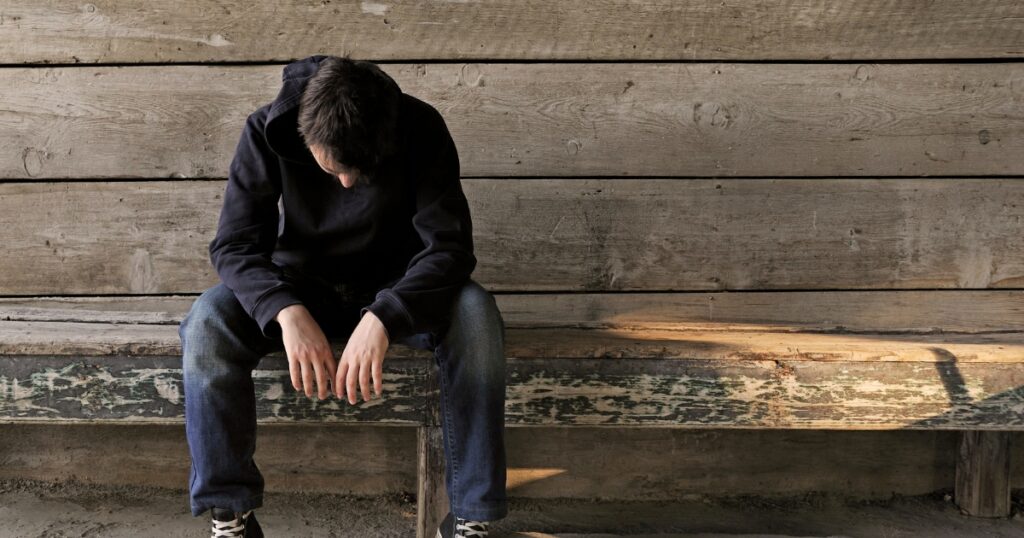
If you find yourself reaching for your phone the moment you’re alone, staying in relationships that no longer serve you, or feeling a wave of panic when plans get canceled, you’re not imagining things—and you’re not alone in this struggle. If you’ve ever thought “I hate being alone” but couldn’t explain why the feeling is so intense, understanding the clinical roots of this distress can help you find the right support. Many adults experience profound discomfort with solitude, a feeling that goes far beyond simply preferring the company of others.
While humans are inherently social creatures who thrive on connection, there’s an important distinction between healthy interdependence and a fear-driven inability to tolerate your own company. When being by yourself triggers overwhelming anxiety, compulsive behaviors, or thoughts you can’t manage, it often signals underlying mental health patterns that deserve compassionate attention and evidence-based care. Understanding what drives this struggle—and when it crosses the threshold into clinical concern—is the first step toward building a healthier relationship with both solitude and connection.

The Mental Health Conditions Behind Your Fear of Being Alone
Depression frequently creates a paradoxical relationship with solitude. While depressive episodes often involve social withdrawal, many people living with depression actively avoid being alone because the quiet amplifies negative self-talk and rumination. The fear of being alone that mental health professionals observe in depression isn’t about physical isolation—it’s about being trapped with an internal critic that feels unbearable without external noise to drown it out.
Anxiety disorders manifest differently but create similar avoidance patterns. When you think “I hate being alone,” anxiety may be the driving force—not a character flaw. If you hate being alone and find yourself constantly seeking reassurance, social anxiety may be intensifying the discomfort. Generalized anxiety disorder often intensifies when you’re alone because there’s no one to provide reassurance or distraction from catastrophic thinking.
Trauma and attachment wounds from childhood frequently underlie adult struggles with aloneness. Adult struggles with aloneness often require looking back at early attachment experiences to answer the question: why do I hate being alone? If you experienced neglect, abandonment, or inconsistent caregiving, your nervous system may have learned that being alone equals danger. These early relational injuries create patterns where solitude triggers the same physiological alarm response you experienced as a child when your needs weren’t met.
When Discomfort With Solitude Signals a Clinical Concern
If you hate being alone to the point where it disrupts your daily life, certain patterns indicate your struggle may benefit from professional support:
- Physical symptoms such as racing heart, panic, nausea, or difficulty breathing that emerge specifically when facing time by yourself
- Compulsive behaviors to avoid solitude, including constant texting, keeping the television on as background noise, or staying in relationships that are unhealthy or unfulfilling
- Inability to complete basic self-care tasks like showering, eating regular meals, or going to bed at a reasonable hour without someone else present
- Intrusive thoughts or self-harm urges that emerge specifically during alone time, indicating that solitude removes external scaffolding you’re using to manage distress
- Canceling important commitments—work, medical appointments, or personal goals—specifically to avoid being by yourself
If you’re experiencing self-harm urges or thoughts of suicide, please call or text 988 to reach the Suicide & Crisis Lifeline, available 24/7 for free, confidential support.
Loneliness Versus Being Alone: Why the Clinical Difference Matters
The loneliness vs being alone difference is more than semantic—it’s clinically significant for treatment planning and self-understanding. Loneliness is an emotional state characterized by feeling disconnected, unseen, or misunderstood, regardless of how many people physically surround you. You can feel profoundly lonely at a crowded party or in a long-term relationship where you don’t feel truly known. Being alone, by contrast, is simply a physical circumstance—the absence of other people in your immediate environment.
Many people conflate these two experiences, assuming that if they feel terrible when alone, they must be lonely and need more social contact. But if you have meaningful relationships and still experience distress specifically when physically by yourself, the issue isn’t lack of connection—it’s difficulty tolerating solitude.
| Loneliness (Emotional State) | Difficulty Being Alone (Behavioral Pattern) |
|---|---|
| Can occur even when surrounded by people | Specifically triggered by physical solitude |
| Feels like disconnection or lack of understanding | Feels like anxiety, panic, or overwhelming discomfort |
| Improves with deeper, more authentic relationships | Requires building internal emotional regulation skills |
| May persist despite frequent social contact | Temporarily relieved by any form of external distraction |
Building Distress Tolerance Skills to Sit With Uncomfortable Solitude
Dialectical Behavior Therapy offers specific distress tolerance techniques designed to help you sit with uncomfortable emotions without making them worse. The TIPP skills—Temperature (using cold water to activate your dive reflex and calm your nervous system), Intense exercise (brief physical activity to metabolize stress hormones), Paced breathing (slow, deliberate breaths to activate your parasympathetic nervous system), and Paired muscle relaxation—provide immediate tools when panic or overwhelming discomfort arises during alone time. Many people ask themselves, “Why can’t I tolerate solitude?” — and the answer often lies in a nervous system that hasn’t yet learned to self-soothe without external input.
Gradual exposure represents the gold standard for addressing avoidance behaviors. Start with brief intervals you can tolerate—perhaps fifteen minutes—and systematically increase the duration as your distress tolerance builds. During these practice periods, resist the urge to reach for your phone or turn on the television immediately when discomfort arises. Instead, notice the sensations, name the emotions, and practice your distress tolerance skills.
| DBT Distress Tolerance Skill | How to Use It When Alone |
|---|---|
| Temperature (TIPP) | Splash cold water on your face or hold ice cubes to activate your dive reflex and calm your nervous system |
| Intense Exercise | Do jumping jacks, run in place, or take a brisk walk to metabolize stress hormones |
| Paced Breathing | Breathe in for 4 counts, hold for 4, exhale for 6 to activate your parasympathetic nervous system |
| Paired Muscle Relaxation | Tense and release muscle groups systematically while breathing slowly |
If you hate being alone but want to build tolerance, these evidence-based strategies for how to cope with being by yourself work best when practiced consistently, even when discomfort is mild.
When Does Loneliness Require Therapy
If you’ve practiced these skills consistently for several weeks without meaningful improvement, or if your distress when alone interferes with work, relationships, or daily functioning, professional treatment can provide the structured support and clinical expertise needed to address underlying conditions. Autophobia and anxiety treatment professionals can help determine whether your struggle represents a specific phobia or a broader pattern requiring comprehensive care. When does loneliness require therapy becomes clear when building healthy alone time skills on your own hasn’t reduced the distress or when the fear significantly impairs your quality of life.

Finding Compassionate Support for Your Journey at St. Louis Mental Health
If you’ve recognized yourself in these patterns, compassionate, evidence-based support is available. The difficulty you’re experiencing isn’t a character flaw—it’s often rooted in mental health conditions, attachment wounds, or neurobiological patterns that respond well to professional treatment.
St. Louis Mental Health offers comprehensive care for adults experiencing depression, anxiety disorders, and trauma-related conditions that frequently manifest as difficulty tolerating solitude. Our licensed clinicians provide evidence-based approaches including Cognitive Behavioral Therapy, Dialectical Behavior Therapy, and trauma-informed care. With same-day admissions available, most major insurance accepted, and a continuum of care spanning residential treatment, Intensive Outpatient Programs, and Virtual IOP, we can meet you where you are. Call (314) 948-7561 or visit our Contact Us page to schedule a confidential consultation.
FAQs
The following questions address common concerns regarding hating the feeling of loneliness.
1. Is it normal to hate being alone, or does it mean something is wrong with me?
Many people experience discomfort with solitude—some even say “I hate being alone”—and a preference for company is completely normal. However, if being alone triggers panic attacks, leads to compulsive behaviors like constant texting, or prevents you from functioning independently in basic ways, it may signal an underlying mental health condition such as anxiety, depression, or unresolved trauma. The intensity and impact of your distress, rather than its mere presence, determines whether professional support would be beneficial.
2. What’s the difference between loneliness and just not wanting to be by myself?
Loneliness is an emotional experience of feeling disconnected or unseen that can happen even when you’re surrounded by people, while being alone is simply a physical state. If you have meaningful relationships but still feel desperate distress specifically when physically by yourself, this indicates difficulty with solitude rather than true loneliness. The distinction matters because loneliness typically improves with deeper connections, while difficulty tolerating aloneness requires building internal emotional regulation skills and addressing underlying mental health conditions.
3. Can childhood experiences cause me to hate being alone as an adult?
Absolutely—early attachment wounds, childhood neglect, inconsistent caregiving, or trauma can create patterns where being alone triggers deep fears of abandonment or activates the same alarm response you experienced when your needs weren’t met as a child. These attachment-based struggles often require trauma-informed therapy to help you develop secure internal resources and learn to self-soothe.
4. When does difficulty being alone require therapy instead of just self-help strategies?
Seek professional help if your fear of being alone leads to panic attacks, prevents basic functioning like going to work or completing self-care tasks, keeps you in harmful relationships, correlates with increased self-harm behaviors, or co-occurs with symptoms of depression or anxiety disorders. Intensive Outpatient Programs or residential treatment may be appropriate if the struggle significantly impairs your daily life or if you’ve tried self-help approaches without meaningful improvement.
5. What kind of treatment actually helps with fear of being alone?
Evidence-based approaches include Cognitive Behavioral Therapy to address distorted thoughts about solitude and safety, Dialectical Behavior Therapy for building distress tolerance and emotion regulation skills, and trauma-focused therapies such as EMDR if attachment wounds are involved. Treatment addresses both the fear itself and any underlying conditions like depression or anxiety disorders that contribute to the struggle. What causes fear of isolation varies, but trauma, attachment wounds, and untreated mental health conditions are the most common clinical roots.