

If you’ve ever wondered about the meaning of words of affirmation in mental health contexts, the answer goes beyond simple compliments—these verbal expressions of validation and encouragement play a vital role in both healthy relationships and recovery from depression and anxiety. When someone tells you “I’m proud of you” or “You handled that beautifully,” those words can shift your entire emotional state, offering connection and support that strengthens bonds and rewires negative thought patterns.
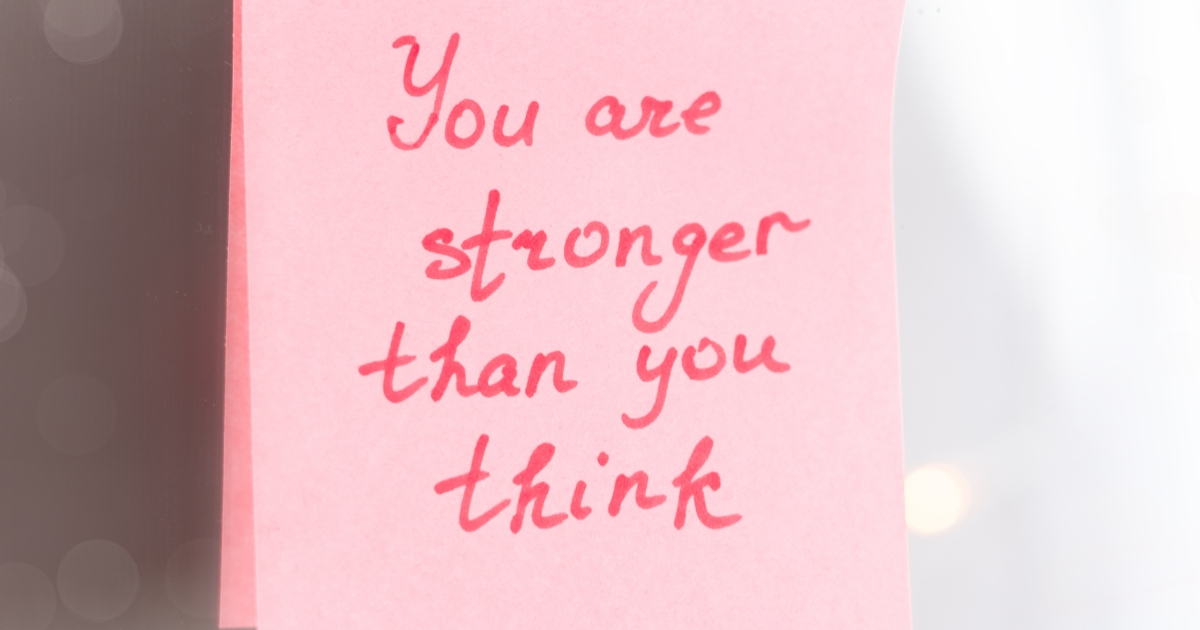
Words of Affirmation as a Love Language and Therapeutic Tool
The concept of words of affirmation originates from Dr. Gary Chapman’s framework of the five love languages—distinct ways people express and experience love. For individuals whose primary love language is words of affirmation, verbal expressions of appreciation, encouragement, and validation carry profound emotional weight. Love language examples in this category include compliments (“You’re so thoughtful”), expressions of gratitude (“Thank you for being patient with me”), and words of encouragement (“I believe in you”).
Beyond romantic relationships, words of affirmation function as a therapeutic tool in mental health treatment. Licensed clinicians use affirming language to validate clients’ experiences, reinforce progress, and help individuals challenge distorted beliefs about themselves—skills that are foundational to relationship communication skills therapy and individual treatment alike. When a therapist says, “It makes sense you feel overwhelmed given what you’ve been through,” that validation helps clients feel seen and understood—a critical foundation for healing. So what do words of affirmation mean in practical terms? It means recognizing that verbal validation is not just nice to have—it’s a core emotional need.
The Neuroscience Behind Why Affirmations Support Mental Health Recovery
From a neuroscience perspective, the question of what words of affirmation mean reveals why these verbal expressions are so effective in treating anxiety and depression. Positive verbal input activates the brain’s reward pathways, releasing dopamine and reinforcing neural connections associated with self-worth and safety. This process, known as cognitive restructuring through positive affirmations, is a core component of Cognitive Behavioral Therapy (CBT) and Dialectical Behavior Therapy (DBT).
In treatment settings, affirmations serve multiple therapeutic functions:
- Challenging automatic negative thoughts: When a person living with depression repeatedly hears and practices affirming statements, those messages gradually weaken the grip of self-critical thought patterns that fuel hopelessness.
- Strengthening emotional regulation: Therapeutic validation in DBT teaches clients that their feelings make sense given their circumstances, reducing shame and helping them respond to distress more skillfully.
- Building distress tolerance: Positive self-talk techniques for anxiety help individuals manage panic and worry by replacing catastrophic predictions with balanced, compassionate statements.
- Reinforcing behavioral change: Clinicians acknowledge effort and progress, motivating continued engagement and supporting recovery.
Depression distorts self-perception, convincing individuals they’re worthless or incapable of change—which is precisely why affirmations help with depression: consistent exposure to affirming messages interrupts this cycle. Over time, the brain begins to form new neural pathways that support healthier self-concept and emotional resilience.
| Therapeutic Approach | How Affirmations Are Used |
|---|---|
| Cognitive Behavioral Therapy (CBT) | Clients identify negative automatic thoughts and replace them with evidence-based, affirming statements that reflect reality more accurately. |
| Dialectical Behavior Therapy (DBT) | Therapists use validation to acknowledge clients’ emotions and experiences, teaching them to offer themselves the same compassionate understanding. |
| Trauma-Focused Therapy | Affirming language helps survivors challenge shame and self-blame, reinforcing that they are worthy of safety, respect, and healing. |
| Couples Therapy | Partners learn how to give affirmations in relationships, strengthening connection and repairing communication through consistent verbal validation. |
How Trauma and Mental Health Conditions Affect Your Ability to Receive Affirmations
Many individuals in treatment discover they struggle to accept positive words, even when those words are genuine and deserved. This difficulty isn’t a character flaw—it’s often rooted in how trauma affects receiving compliments and the core beliefs formed during painful experiences. To understand the meaning of words of affirmation for someone with a trauma history, we must first recognize how early painful experiences shape the brain’s response to kindness. When someone grows up hearing criticism, experiencing neglect, or enduring abuse, their brain develops protective patterns that reject affirming messages as untrustworthy or undeserved.
If you or someone you know is in crisis, call or text 988 to reach the Suicide & Crisis Lifeline, available 24/7.
Attachment Wounds and Core Beliefs That Block Affirmations
Attachment theory helps explain why some people deflect affirmations. If early caregivers were inconsistent, dismissive, or critical, a person may develop an insecure attachment style characterized by low self-worth and difficulty trusting others’ positive regard.
Therapy addresses these barriers by creating a safe, consistent relationship where affirming language is paired with genuine care. Licensed clinicians use specific techniques to help clients become more open to affirmations. In DBT, validation skills teach individuals to acknowledge their own emotions without judgment. In CBT, cognitive restructuring challenges the distorted beliefs that block positive feedback. For trauma survivors, therapy often includes psychoeducation about how the nervous system responds to perceived threats—including the “threat” of kindness when it feels unfamiliar. Over time, clients begin to internalize validation and rebuild their capacity to receive positive words.
| Common Barrier | Underlying Cause | Therapeutic Intervention |
|---|---|---|
| Deflecting compliments | Core belief of unworthiness formed in childhood | Cognitive restructuring to challenge distorted beliefs |
| Feeling anxious when praised | Fear of increased expectations or future disappointment | Exposure and response prevention to tolerate discomfort with positive feedback |
| Disbelieving affirming words | History of inconsistent or insincere praise | Building trust through consistent therapeutic validation and follow-through |
| Physical discomfort with kindness | Trauma-related nervous system dysregulation | Somatic interventions and psychoeducation about trauma responses |

Finding Healing Through Words of Affirmation at St. Louis Mental Health
If you’re asking about what words of affirmation mean for your recovery journey, the answer is that these verbal expressions of validation are just the beginning—professional treatment helps you internalize them and rebuild self-worth. At St. Louis Mental Health, our licensed clinicians integrate affirming, validation-focused approaches into evidence-based treatment designed to support lasting recovery. Whether you’re seeking residential care, Intensive Outpatient services, or Virtual IOP accessible from anywhere in Missouri, our compassionate team is here to help you rebuild your relationship with yourself and others.
We offer same-day admissions, accept most major insurance, and provide 24/7 confidential support. Our pet-friendly residential setting and continuum of care ensure you receive the right level of support at every stage of your healing journey. Call (314) 237-4435 or visit our Contact Us page to schedule a confidential consultation and take the first step toward a life shaped by hope, connection, and genuine self-compassion.
FAQs
The following are the most frequently asked questions regarding the importance of words of affirmation.
1. What are examples of words of affirmation in relationships?
Effective affirmations include specific compliments (“I appreciate how patient you were”), expressions of gratitude (“Thank you for supporting me”), words of encouragement (“I believe in your ability to handle this”), affirmations of character (“You’re so thoughtful”), and verbal reassurance (“I’m here for you”). These statements work best when they’re genuine, specific, and delivered consistently rather than only during conflict or special occasions.
2. How do therapists use words of affirmation in treatment?
Licensed clinicians use affirming language in multiple ways throughout therapy. In DBT, validation techniques acknowledge clients’ emotions and experiences as understandable given their circumstances, reducing shame and building trust. In CBT, therapists reinforce progress with positive feedback, which motivates continued engagement and supports behavioral change.
3. Why do I feel uncomfortable when someone gives me a compliment?
Discomfort with compliments often stems from low self-esteem, trauma history, or negative core beliefs formed during childhood. If early caregivers were critical or dismissive, your brain may have learned to reject positive feedback as untrustworthy or undeserved. Depression and anxiety also distort thinking, making it difficult to accept affirming words even when they’re genuine. Therapy helps by identifying these reactions, challenging the beliefs behind them, and creating safe experiences where you can gradually rebuild your capacity to receive positive feedback.
4. Can positive affirmations really help with depression and anxiety?
Many people ask about what words of affirmation mean in the context of treating depression and anxiety, and the research is clear: when used as part of comprehensive treatment, affirmations support symptom reduction and recovery. Research on cognitive restructuring shows that replacing negative automatic thoughts with balanced, affirming statements helps weaken neural pathways that fuel depression and anxiety. Therapeutic affirmations—combined with evidence-based approaches like CBT and DBT—teach individuals to challenge distorted beliefs, regulate emotions more effectively, and build resilience. Affirmations are most effective when guided by a clinician and integrated into a broader treatment plan.
5. What’s the difference between words of affirmation and toxic positivity?
Genuine affirmations validate real feelings and experiences, acknowledging both strengths and struggles without dismissing legitimate pain. Toxic positivity forces optimism and dismisses difficult emotions with phrases like “just think positive,” which increases shame. In mental health contexts, authentic validation means saying “It makes sense you feel overwhelmed right now, and I’m here to support you” rather than “Everything happens for a reason.” Effective affirmations honor the full range of human experience while offering hope, encouragement, and compassionate understanding that supports genuine healing.