

Many people use the terms mindfulness and meditation interchangeably, yet they describe distinct practices with unique roles in mental health treatment. Understanding the difference between mindfulness and meditation can help you choose the most effective tools for your emotional wellness journey. Mindfulness refers to a quality of present-moment awareness—a way of paying attention to thoughts, feelings, and sensations without judgment—that can be cultivated during any activity throughout the day. Meditation, on the other hand, is a formal practice that involves setting aside dedicated time to train the mind using specific techniques, often in a quiet setting.
For adults in St. Louis and across Missouri seeking relief from anxiety, depression, trauma, or other mental health challenges, recognizing how these practices work—and when professional guidance enhances their benefits—empowers you to take informed steps toward healing. Both practices activate overlapping brain regions associated with emotional regulation and stress response, yet they serve different functions in daily life and clinical treatment.
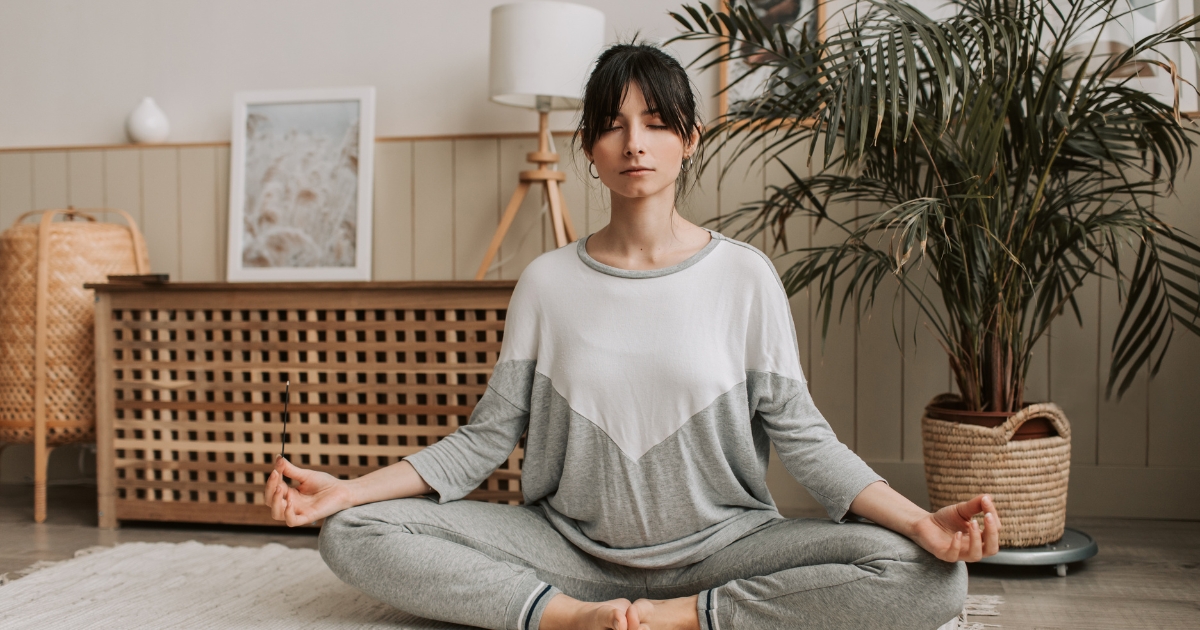
What Makes Mindfulness Different from Meditation
Mindfulness is a state of awareness, not a scheduled activity. You can practice it while washing dishes, walking, or listening to a friend—noticing what is happening in the present moment without trying to change or judge the experience. This quality of attention can be woven into any part of your day.
Meditation, by contrast, is a structured practice with dedicated time and technique. You might sit quietly, focus on your breath, or follow a guided session. It trains your mind to sustain attention and observe thoughts without getting swept away.
The relationship between the two is complementary: meditation is one way to cultivate mindfulness, but mindfulness extends far beyond meditation sessions. A person living with anxiety might use a ten-minute morning meditation to build the skill of observing anxious thoughts without reacting, then apply that same mindful awareness later in the day when stress arises at work. Understanding the difference between mindfulness and meditation helps you recognize when you’re building a skill versus when you’re applying it in real time.
| Aspect | Mindfulness | Meditation |
|---|---|---|
| Definition | A quality of present-moment awareness applied to any activity | A formal, structured practice with dedicated time and technique |
| Timing | Anytime, anywhere throughout the day | Scheduled sessions, often in a quiet setting |
| Goal | Observe experience without judgment | Train attention, build emotional regulation skills, cultivate mindfulness |
How Mindfulness and Meditation Support Mental Health Treatment
Evidence-Based Programs That Integrate Both Practices
Evidence-based therapies incorporate both practices to address mental health conditions, and the difference between mindfulness and meditation becomes clinically important when tailoring treatment. Mindfulness-based stress reduction techniques combine meditation with education about stress physiology, reducing anxiety and depression symptoms. Mindfulness-based cognitive therapy integrates meditation with cognitive therapy principles, helping people recognize negative thought patterns early. This approach is particularly effective in preventing depression relapse.
Mindfulness in DBT therapy serves as a core skill module taught by licensed clinicians. Dialectical Behavior Therapy uses mindfulness exercises to help clients observe thoughts and emotions without judgment, a crucial step in emotion regulation and distress tolerance. For someone living with borderline personality disorder, posttraumatic stress disorder, or chronic suicidal ideation, learning to notice an intense emotion without immediately acting on it can be life-changing.
If you or someone you know is in crisis, call or text 988 to reach the Suicide & Crisis Lifeline, available 24/7.
Meditation techniques for depression treatment often focus on cultivating self-compassion and reducing rumination—the repetitive, negative thinking patterns that fuel depressive episodes. For anxiety, both formal meditation sessions and informal exercises prove effective. Learning how to practice mindfulness for anxiety includes grounding techniques that use the five senses to anchor awareness during panic or worry. Clinicians in St. Louis and throughout Missouri tailor these approaches to each individual’s symptoms, preferences, and treatment goals.
The benefits of meditation for mental health extend across multiple domains:
- Reduced rumination: Regular practice helps break cycles of repetitive negative thinking that worsen depression and anxiety
- Improved emotional regulation: Meditation strengthens the brain’s capacity to observe emotions without being overwhelmed or reactive
- Decreased anxiety symptoms: Mindfulness practices lower physiological arousal and help individuals tolerate uncertainty
- Enhanced trauma recovery: Mindfulness exercises for trauma recovery teach clients to stay present with difficult emotions in a safe, controlled way
- Better stress response: Both practices reduce cortisol levels and improve resilience to daily stressors
Choosing the Right Practice for Your Mental Health Needs
For anxiety disorders, mindfulness techniques often provide immediate relief during panic or worry. A person experiencing racing thoughts can use a grounding exercise—naming five things they see, four they can touch, three they hear—to anchor awareness and interrupt the anxiety spiral. Regular meditation builds the capacity to tolerate anxious sensations without avoidance.
Depression may benefit more from structured meditation practices that counteract the withdrawal and rumination characteristic of depressive episodes. Guided meditations that cultivate self-compassion or body awareness can gently redirect attention away from negative thought loops.
Trauma recovery requires careful consideration. Mindfulness exercises for trauma recovery help individuals stay present with difficult emotions, but must be introduced gradually with clinical support. For someone with posttraumatic stress disorder, a body scan meditation might trigger flashbacks if attempted too early. Trauma-informed therapists teach grounding skills first, ensuring clients can regulate their nervous system before deepening practice.
For those exploring meditation vs mindfulness for beginners, starting with informal mindfulness often feels more accessible than formal meditation. The difference between mindfulness and meditation helps beginners choose a sustainable starting point. As this quality of awareness becomes more familiar, adding short guided meditations—five to ten minutes—can deepen the practice. Many people find that combining both approaches offers the greatest benefit: meditation builds the skill, and mindfulness applies it throughout daily life.
When Professional Support Enhances Your Practice
While mindfulness and meditation are generally safe and beneficial, certain situations call for professional guidance. Individuals experiencing acute psychosis, severe dissociation, or unprocessed trauma may find that meditation without clinical support intensifies distressing symptoms. A licensed therapist or psychiatrist can assess your current mental health status, recommend appropriate practices, and teach you how to recognize when a technique is helpful versus when it might be contraindicated. Your therapist can clarify the difference between mindfulness and meditation in the context of your diagnosis and help you build a practice that supports rather than overwhelms your nervous system.
| Condition | Recommended Starting Point |
|---|---|
| Generalized Anxiety | Brief mindfulness exercises for immediate relief, plus regular meditation to build long-term resilience |
| Depression | Guided meditation with self-compassion focus; what is mindfulness-based cognitive therapy if history of relapse |
| Trauma or PTSD | Grounding mindfulness exercises first, then gradual introduction of meditation with therapist support |
| Emotion Dysregulation | Mindfulness skills taught in DBT, combined with brief meditation to strengthen observation capacity |
Healing Through Mindful Awareness at St. Louis Mental Health
At St. Louis Mental Health, licensed clinicians integrate both mindfulness and meditation into personalized treatment plans designed for adults seeking relief from anxiety, depression, trauma, and other mental health challenges. Whether you are exploring residential treatment, Intensive Outpatient care, or Virtual IOP from anywhere in Missouri, our compassionate care team teaches evidence-based techniques tailored to your unique symptoms and goals. We understand that the difference between mindfulness and meditation matters in real-world application, and our therapists help you apply both approaches in ways that support your healing journey most effectively.
You do not have to navigate mental health challenges alone. Our facility offers same-day admissions, accepts most major insurance plans, and provides 24/7 confidential support to help you take the next step toward wellness. If you or a loved one could benefit from learning mindfulness-based stress reduction techniques, meditation practices for depression or anxiety, or trauma-informed approaches in a safe, supportive environment, we invite you to reach out today. Call (314) 237-4435 or visit our Contact Us page to schedule a confidential consultation and discover how compassionate, evidence-based care can help you reclaim hope and build a life worth living.
FAQs
The following are the most frequently asked questions regarding mindfulness and meditation.
1. Can you practice mindfulness without meditating?
Yes, mindfulness is a quality of awareness you can bring to any activity—eating, walking, or conversations. The difference between mindfulness and meditation is that meditation requires dedicated practice time. Both offer mental health benefits, but mindfulness can be woven throughout your entire day without setting aside formal time for meditation sessions.
2. Which is better for anxiety: mindfulness or meditation?
Both help manage anxiety, but mindfulness techniques often provide immediate relief during anxious moments, while regular meditation practice builds long-term resilience. Many people benefit from combining both approaches under professional guidance.
3. How is mindfulness used in therapy like DBT?
Dialectical Behavior Therapy incorporates mindfulness as a core skill to help clients observe thoughts and emotions without judgment. Therapists teach specific mindfulness exercises that support emotion regulation and distress tolerance.
4. What is mindfulness-based cognitive therapy (MBCT)?
MBCT combines mindfulness meditation practices with cognitive therapy techniques to prevent depression relapse. It teaches people to recognize negative thought patterns early and respond with awareness rather than automatic reactions, making it especially effective for those who have experienced multiple depressive episodes.
5. Are there times when meditation is not recommended for mental health?
Yes, during acute psychosis, severe dissociation, or unprocessed trauma, meditation without clinical support may intensify distressing symptoms. A mental health professional can help determine the safest approach for your specific situation.